The Space on the Mile
August 22nd, 2025
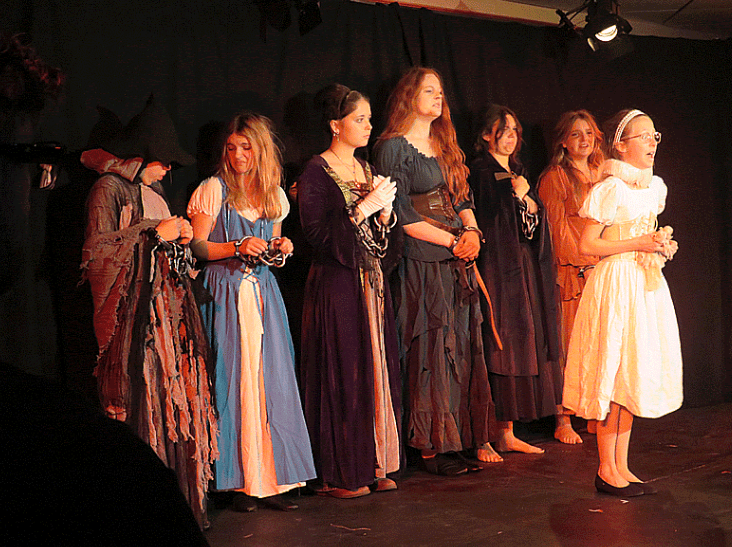
1612 has been brought to this year’s Edinburgh Fringe by writer and director Rebecca Vines, a woman renowned for her work in youth theatre. Set in 17th Century England, at the core of the Pendle Witches Trial is a formidable injustice, when two families were sent down the road to face the gallows purely for having a voice.
As history passes, and time moves forward, this trial of the women of Pendle is probably the most famous amongst all the known cases of witchraft. Twelve residents within the Lancashire region of Pendle Hill were formally accused of murdering 10 people using the unholy art of witchcraft. Surreal or not to modernity, these events actually happened, and 1612 portrays them with truth, honesty and conviction.
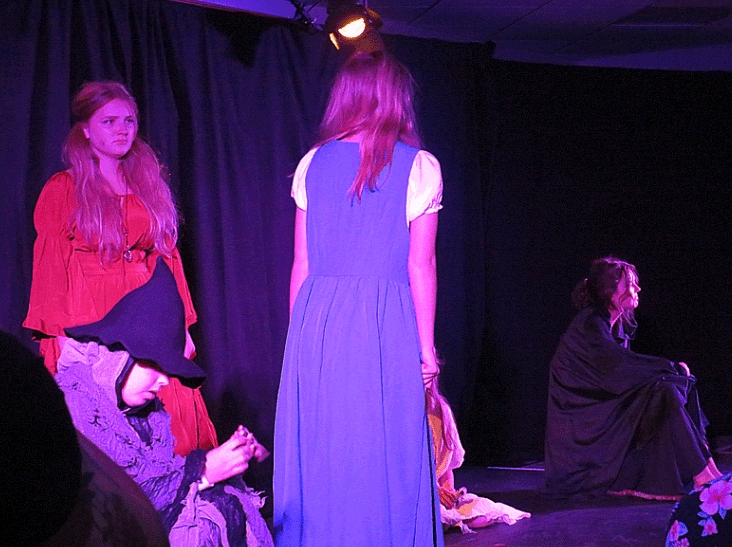
Rebecca Vines has captured this monumental time in English history with intrigue and desire. Leaving no stone unturned, the costumes and cast are true to the original happenings during the dark time they lived through. Outspoken words were a dangerous quality to possess, and therefore could have dire consequences should they fall on the lingering ears of ignorant and uneducated neighbours. Traditional healing, herbal medicines and the human endeavour to be something different, was more of a curse, and would be punishable by death. Burning or hanging was ultimately the outcome.
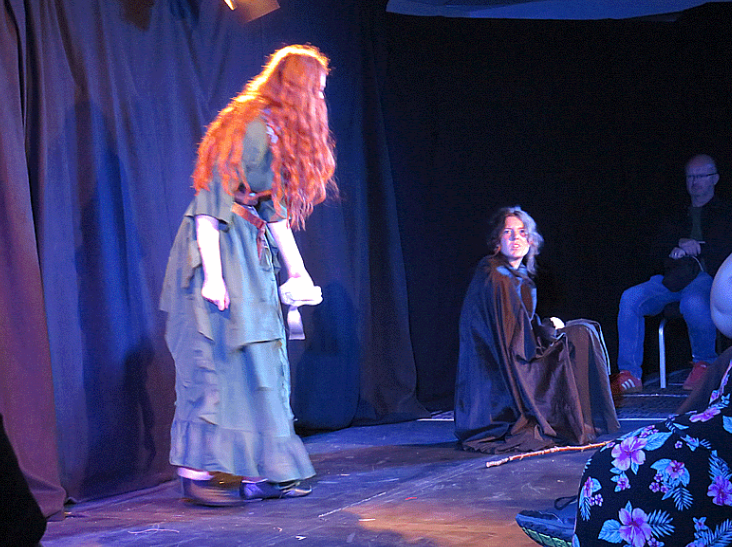
At stagetime, as the audience mumbled and meandered their way to a seat, you could feel the anticipation and excitement filling the air. A subject matter that has peaked many a peoples’ interest was about to be unveiled through the acting skills of seven cast members. A young Alice Nutter plays innocently, with not a care in the world, unaware of the approaching mayhem to come.
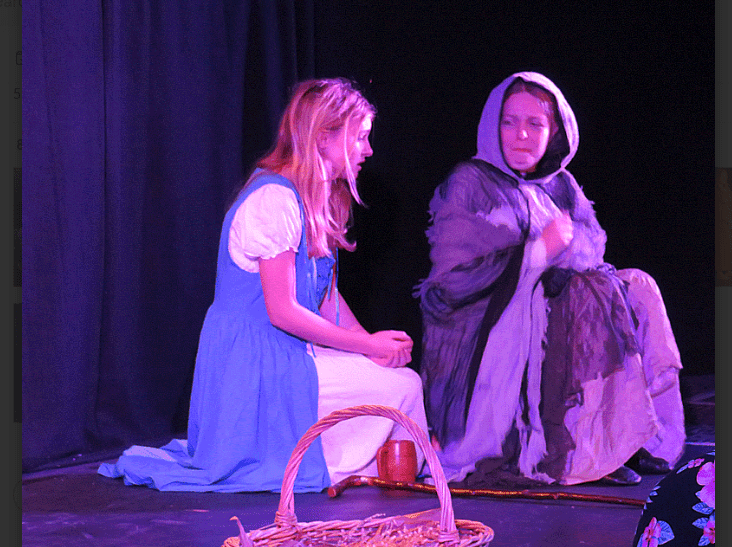
Listening, watching and conveying to others, Alice Nutter is thrown down a rabbit hole of betrayal. Struggling to see the truth, her words become her fate. Poverty, drunkenness, hardship, and lies collide to create a storm of accusations with devasting consequences. Spells, charms and herbal remedies were like an open wound, allowing them to be judged and persecuted. Alice Nutter did just that.
Is confusion betrayal, is loyalty cheap, or is living more important than mother dying, 1612 has it all. Delivered and executed with sheer belief the young actors retold this story with courage, love, heart and most of all realism. 1612 is as much a historic education as well as a wonderful piece of theatre and should be seen by all ages where possible.
Raymond Speedie


 themumble.uk